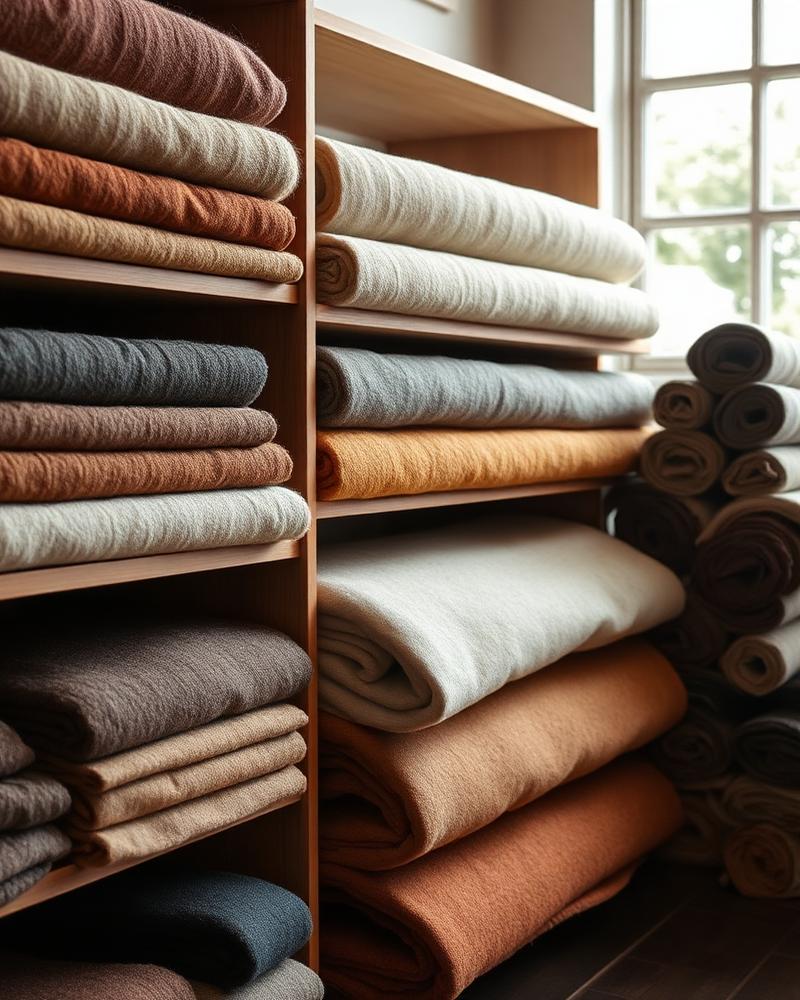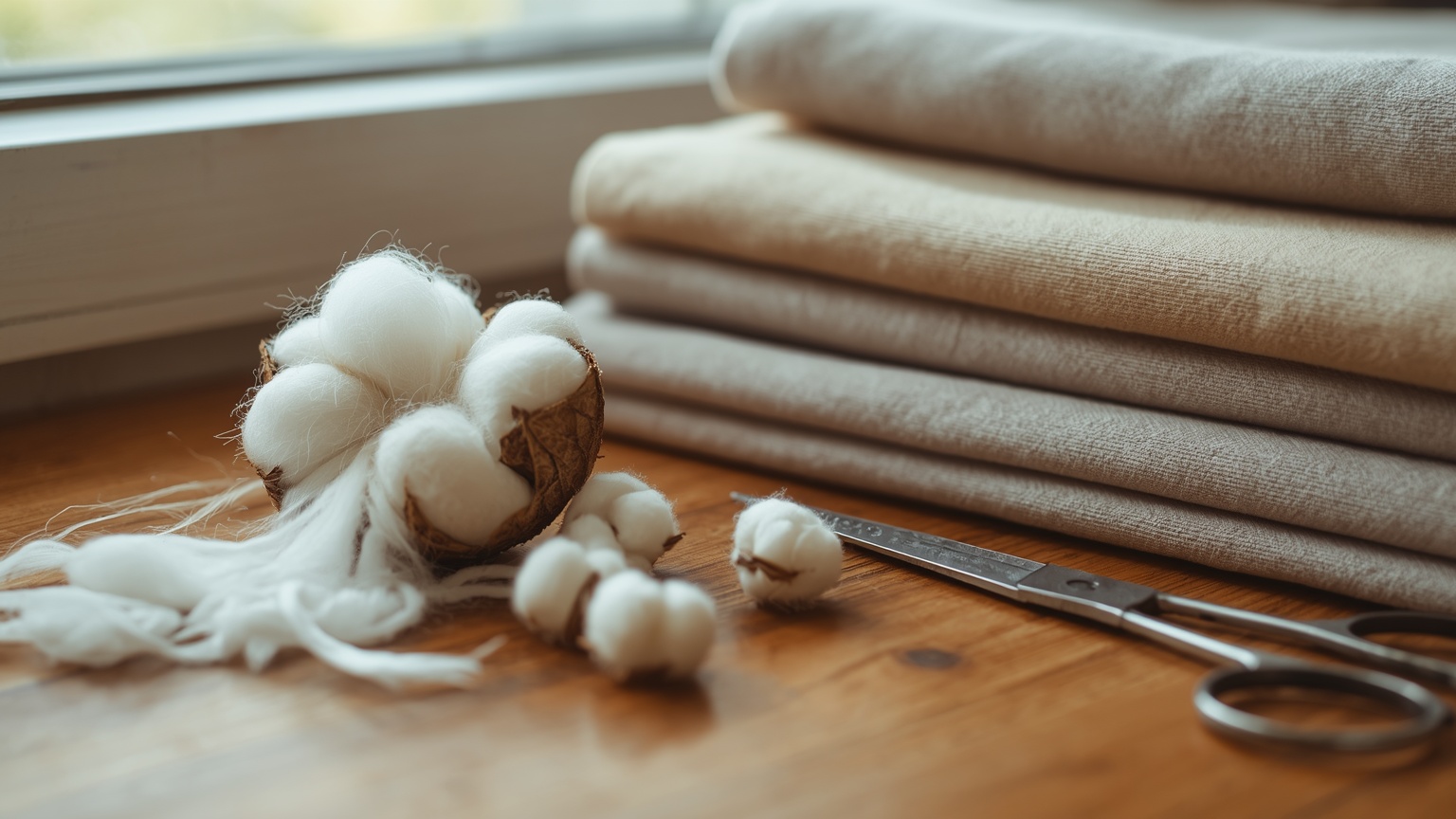
A tailor cuts into cotton canvas. The cloth is heavy, tight-woven, and smells faintly of the mill. It's a familiar material — canvas for a summer jacket, cotton shirting, maybe a pair of trousers. You work with it every day.
But a cotton boll gives two things, and only one of them is fabric.
When raw cotton hits the gin, the long fibres are combed out and spun into yarn. That's what a tailor buys. Left on the seed is a short, fluffy fuzz called linters. That's what armies want.
Linters are converted into nitrocellulose, also known as guncotton, the key ingredient of smokeless powder for artillery shells. Christian Schönbein discovered it in 1846. By the 20th century it was feeding two world wars. It still is.
In July the Wall Street Journal reported that limited linter supply had become one of the main obstacles to NATO's efforts to rebuild ammunition stocks. European nitrocellulose capacity would need to more than double, to about 20,000 tonnes a year, to meet projected demand. The roots go back to 2022: ammunition demand rose sharply after Russia's invasion of Ukraine, and 155 mm shell production has been held back by nitrocellulose shortages ever since.
The US grows most of its linters at home. Europe has long relied on China for both linters and nitrocellulose, because cotton cultivation largely disappeared from the continent. Rheinmetall's CEO said in 2024 that European producers got more than 70% of their linters from China. By this summer he was telling CNBC the problem was solved: Rheinmetall had secured its own supply and built reserves for the next four years.
The Italian angle. The military plant at Fontana Liri, near Frosinone, stopped making nitrocellulose in 2017. It used to produce around 300 tonnes a year. The Defence Ministry's plan would raise it to 1,800 to 2,000 tonnes of military-grade nitrocellulose. Nearby, KNDS Ammo Italy plans to produce nitroglycerine gelatine at Anagni to supply its Colleferro munitions plant, a project that has drawn protests from local committees.
While linters are in short supply, woven cotton canvas is going the other way. Armies are switching from cotton canvas to lighter synthetics. Fire-retardant cotton canvas is expected to shrink to under 5% of Spain's military tent fabric demand by the mid-2030s. Raw cotton has risen this summer: New York December futures went from about 76 cents a pound in mid-June to around 89 cents by late August. The fabric is pricier but available. It's the seed fuzz that went to war.
The tailor goes back to cutting. The same boll that gave this canvas also gave nitrocellulose to an artillery shell somewhere. Two products, one plant, two completely different supply chains.
Euro banknotes are printed on cotton paper, another everyday use that never touches a sewing machine. Cotton is everywhere, but not all of it gets worn.