


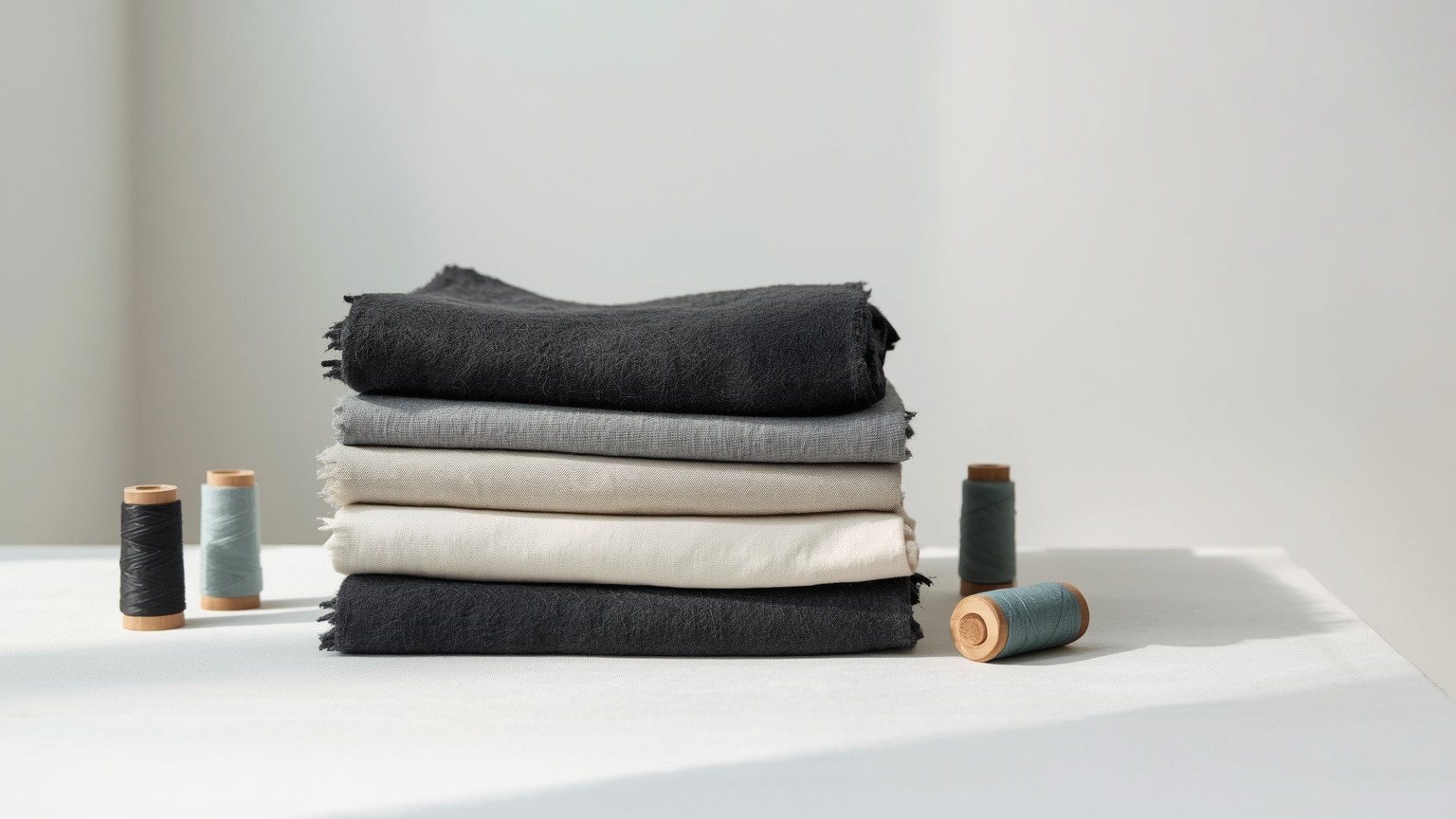
How We Make
The design and making of Maison Guida are in the hands, literally, of one person: one atelier producing around 150 garments a year. No industrial production, no subcontractors, no endless supply chain, no giant stock. Marika Guida designs, cuts and sews every piece in our atelier. You'll only find our clothes in our shop in Turin and, in part, on this site.
So how does it work? Where do our fabrics come from, who makes the clothes, what happens to the offcuts, and what else do we hold ourselves to? If there's anything else you'd like to know, write to us and we'll add it here.
The atelier
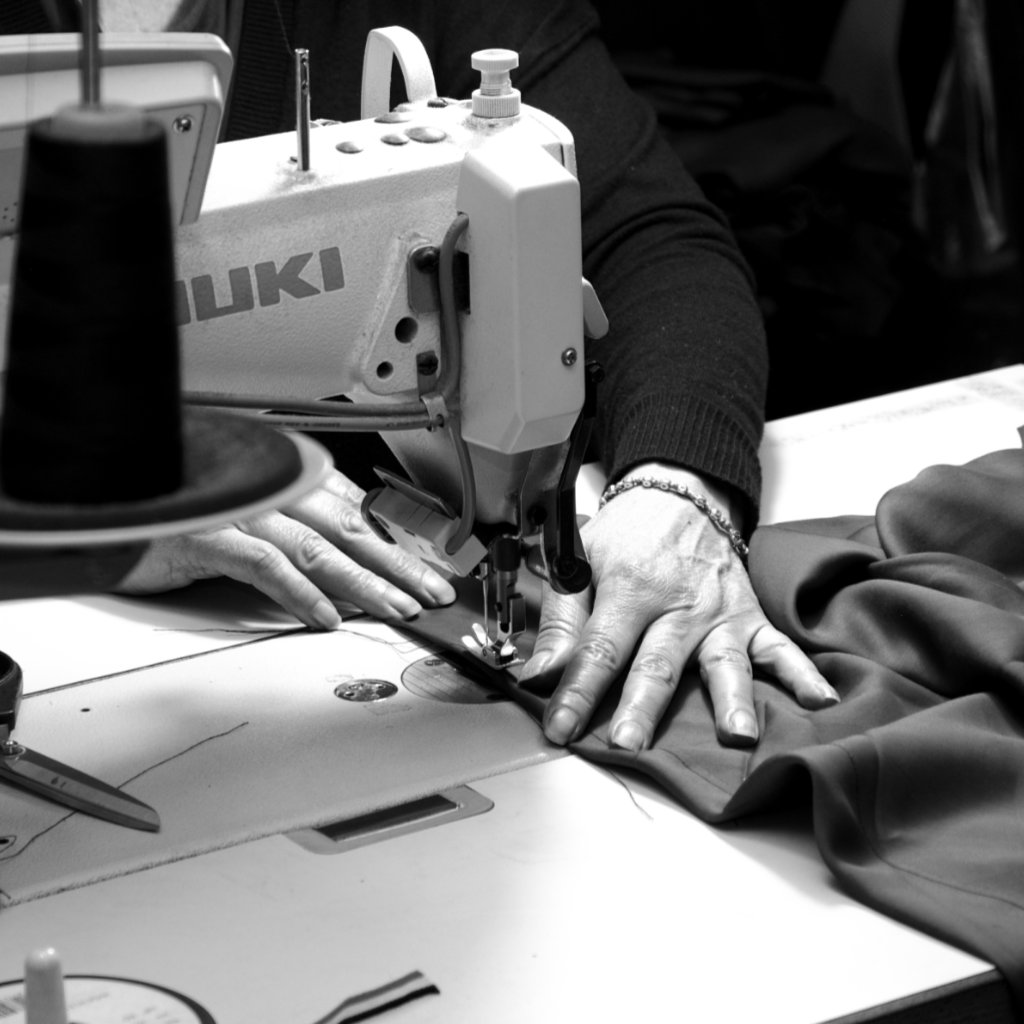
Lungo Po Alessandro Antonelli 7, the greenest part of Turin, where every piece is designed, turned into a pattern, prototyped, fitted and corrected, cut, assembled, pressed and finished. We sell from our shop in Piazza Vittorio Veneto 14.
Since 2005, and above all in the last ten years, Marika has focused on how: no animal materials except wool, every offcut reused (and few to begin with, because we make so little), suppliers we trust, partners for life. Since 2012 she has held the Eccellenza Artigiana nel Tessile, Piedmont's certificate of artisan excellence in textiles.
People
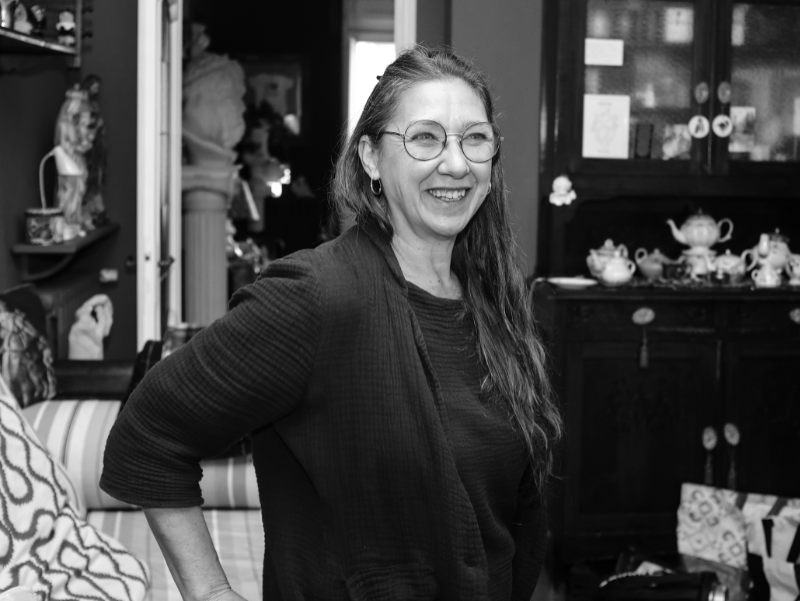
Marika Guida is the founder of Maison Guida. There are no employees and no outside workshops: nobody else sews for us. Every piece you buy was made by the person who designed it.
Our supply chain is short and it's all on this page: the fabrics come from the producers listed below; cutting, sewing and finishing happen only in our atelier in Turin.
Materials
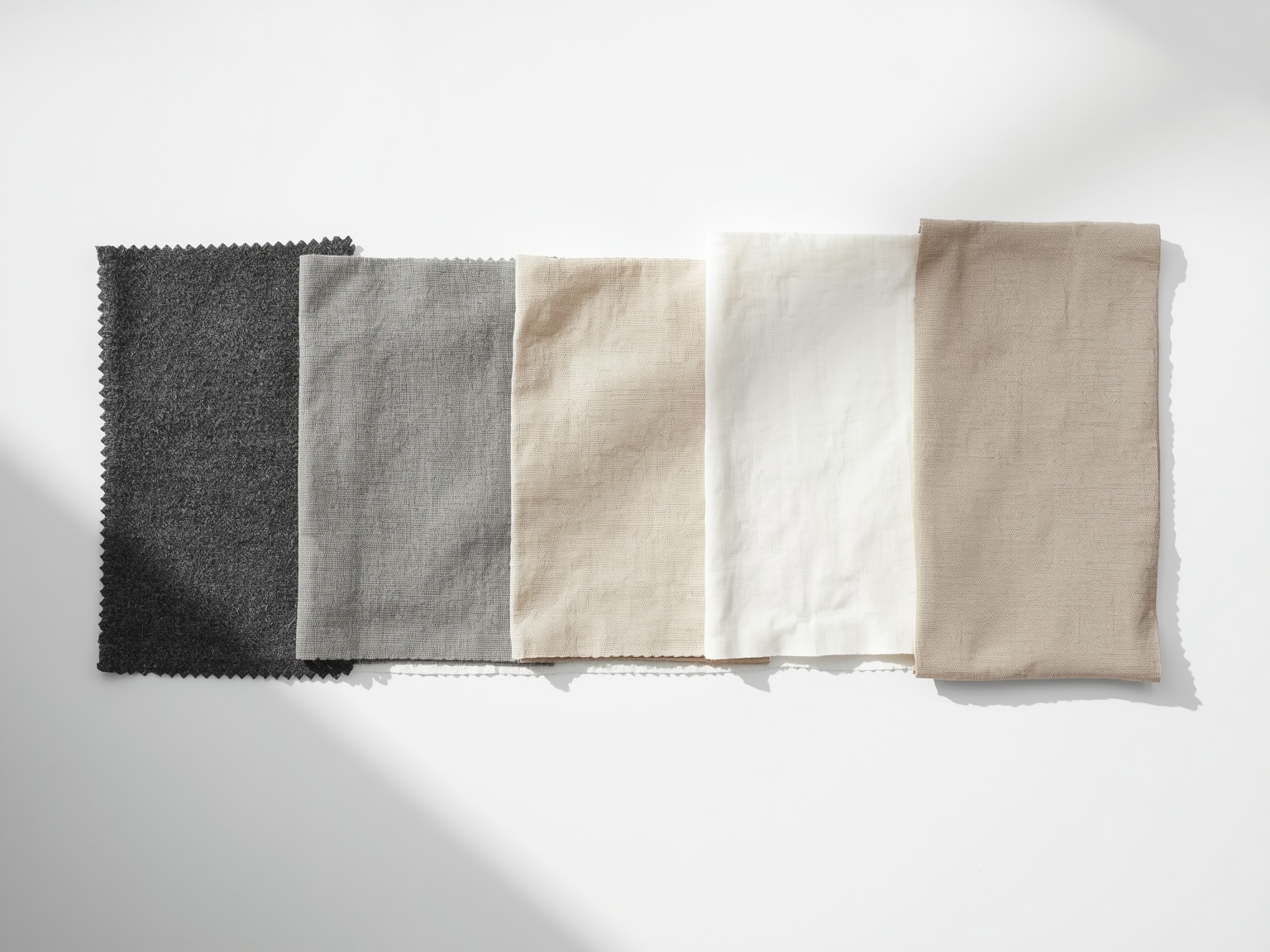
Every fabric has to meet the standards of what we stand for: how it feels against the skin, how it holds up over time, the conditions it was made in. All of it comes down to respect: for the wearer, for the workers, for the environment.
Our fabrics come from mills and producers we choose carefully, and many we've known for years: mostly family businesses in Biella and Turin, which we drive to when we need to, but walk to when we can.
| Material | Source | Certification |
|---|---|---|
| Wool (100%) | Bonino and Vitale Barberis Canonico, Biella, Italy | Mulesing-free, OEKO-TEX |
| Organic cotton, jersey and printed canvas | Cotton Bee, Poland | GOTS, OEKO-TEX |
| Linen | Ballesio, Turin, Italy | OEKO-TEX |
| Bamboo jersey | Takoy, Trieste, Italy | OEKO-TEX Standard 100 |
| Viscose | World Tessuti, Grottaminarda (AV), Italy | OEKO-TEX |
| Stretch cotton (3–5% elastane) | World Tessuti, Grottaminarda (AV), Italy | — |
| Recycled waterproof polyester | Delfi srl, Prato, Italy | OEKO-TEX, PFC- and PFAS-free |
| Grape-based vegan leather | Vegea, Italy | — |
We also buy deadstock from ZeroW and Fabric House: fabric made for other brands and never used. Often they're colour trials of excellent quality, and for us they're a double challenge, ethical and creative, that we love. The pleasure of saving them from landfill makes us value them all the more.
We use synthetic fibres for our waterproof pieces, which are a small part of what we make, and occasionally in woven stretch pieces, where elastane is only 3% of the fabric. Our polyester is recycled and free of PFCs and PFAS. Synthetics shed microfibres, so we stop them at the source: we fold raw edges twice before sewing, use finer needles and longer stitches, and wear a mask while cutting.
No leather, no fur. One exception: wool
No cow leather, no crocodile, no snake, no fur, down, silk or angora, and certainly nothing from endangered species. For our bags we use Vegea vegan leather, made in Italy from grape marc.
The only animal fibre we use is wool: mulesing-free wool from the mills of Biella, in Piedmont, which publish their animal-welfare standards, or deadstock wool, already made and never used.
In the past we used a vintage stock of 1980s horn buttons: giving new life to materials that already exist is always one of our priorities, because it means nothing new has to be ordered or made.
Production
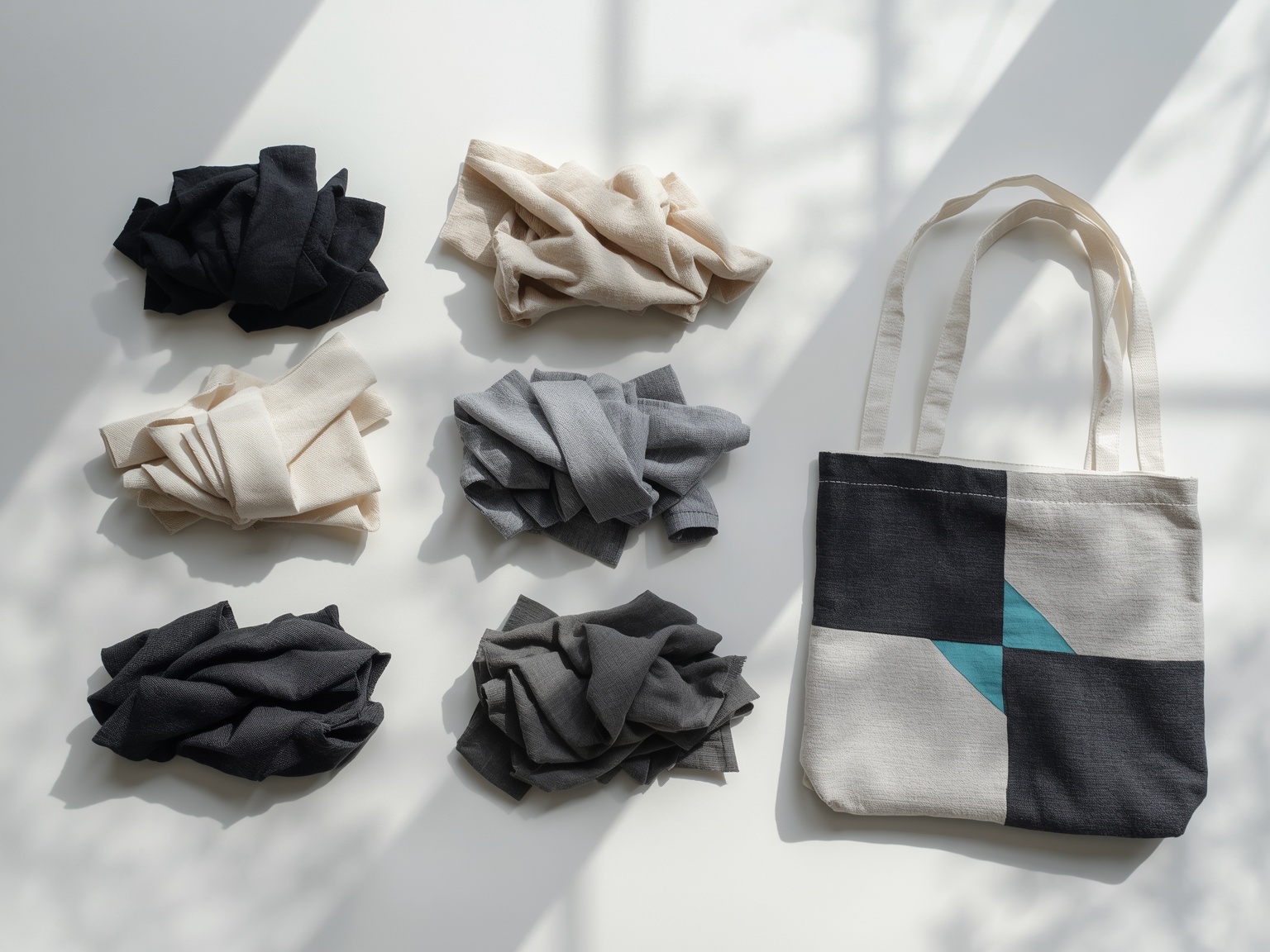
Around 150 garments a year, in small runs, plus the ones made to order. We hold no warehouse stock, and we don't make more than the minimum of sizes and colours until we're sure there's demand: there's never overproduction or unsold stock to get rid of.
Fabric offcuts become patchwork bags and small handmade objects; the smallest scraps, like the trimmings from the overlocker, become stuffing. Our final textile waste is about what a household throws away.
Dyes, water and energy
We don't dye, print, wash or chemically treat fabric in the atelier. Fabrics arrive finished from the producers, and almost all carry OEKO-TEX certification, which tests for harmful substances (see the table above). No wet processing means no production water and no wastewater.
The atelier runs on grid electricity, currently from Enel. We rent the building: solar panels would be lovely, but it isn't our call. We have a habit of switching off anything that doesn't need to be on, and in production we press garments in the same block of time whenever we can.
Packaging
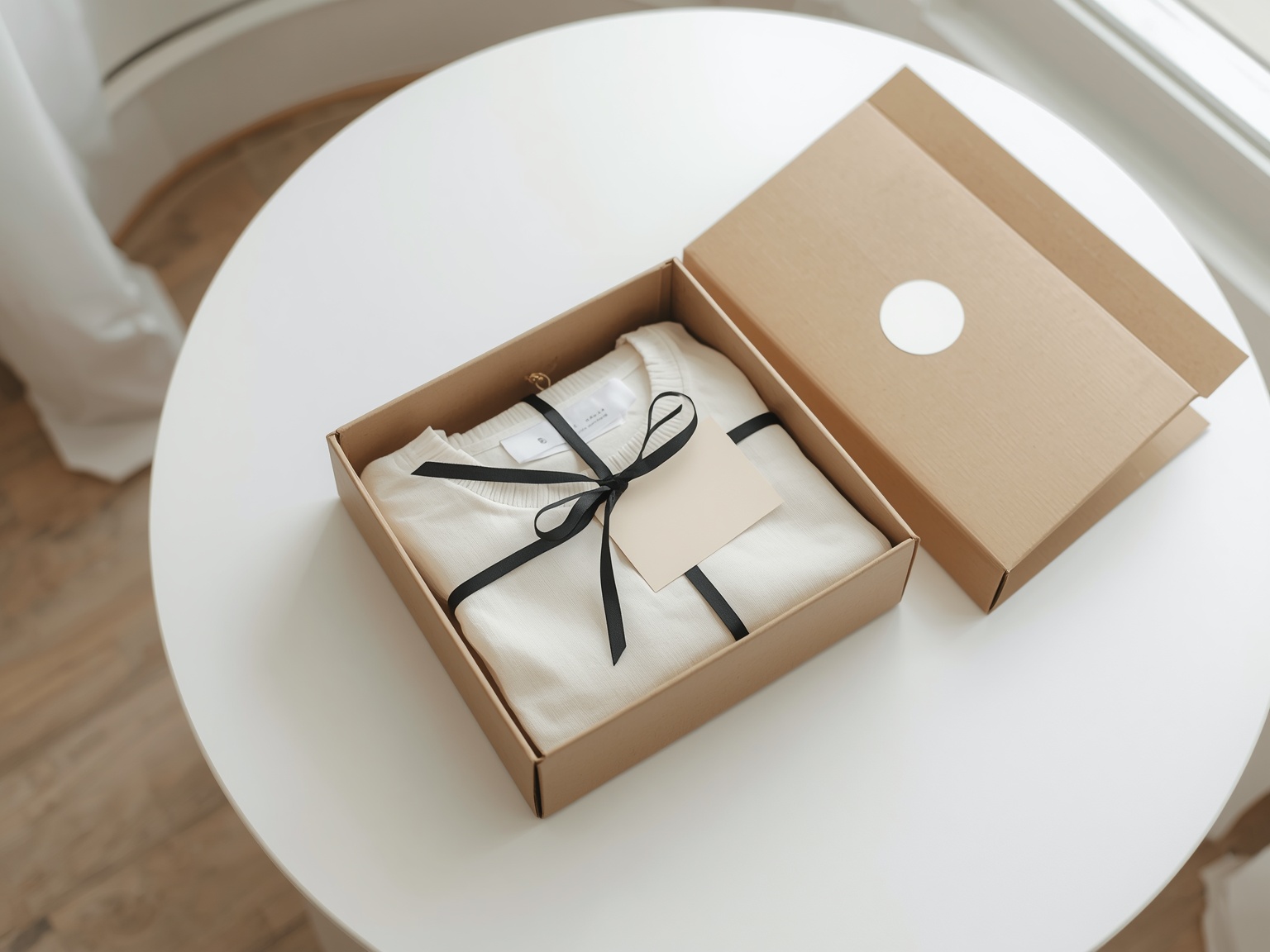
We use a brown cardboard box (Raja BEP.225, 30×24×5 cm) closed with a small sticker. Inside, your piece is wrapped in brown parcel paper and tied with a ribbon, with a card to say hello and thank you for choosing our design. No plastic.
The box folds flat and keeps: it always comes in handy. The brown paper makes lovely art: scrunch it up and colour in the shapes it makes with pencils or crayons. Children love it. If you'd rather throw it away straight off, it goes in your paper recycling.
Shipping
We prefer suppliers close to home, but sometimes distance means driving or having fabric delivered by courier. Our orders go out with DHL GoGreen, which offsets emissions and invests in lower-carbon fuel.
Made to last, and repair
We design clothes that last, far from passing trends and seasons. We build them with prevention in mind: reinforced seams, padded corners and many small details.
But if something goes wrong, you can always come back to us. Read about our repair service →
Buy less, choose well, make it last. (Vivienne Westwood)
What we haven't solved
We can't avoid synthetic fibres entirely: even the threads, if they were cotton, wouldn't survive the washing machine. Our electricity comes from the grid, not from renewables.
We don't belong to any sustainability body and we have no business certification such as B Corp. We're a micro business and we'd rather spend our time and resources doing our craft as well as we can than filling in audits for marketing: we'll earn your trust with what we do. That's why we want to be completely open about the whole process.
What's next
We've brought the atelier online, for anyone who can't reach our shop in Turin, and we're growing our repair and alteration service. We'll keep doing our part, in our small way, to keep the planet liveable and to help turn around the decline of recent years.
Questions? Write to support@maisonguida.com
See you soon!


