


Sustainability
Maison Guida is one maker, one atelier, around 150 garments a year. No factory, no subcontractors, no supply chain you need a map to follow. Marika Guida designs, cuts and sews every piece in Turin.
This page sets out how that works: where our fabric comes from, who makes the clothes, what happens to the waste, and what we haven't solved yet. If something isn't here, ask us and we'll tell you.
The atelier
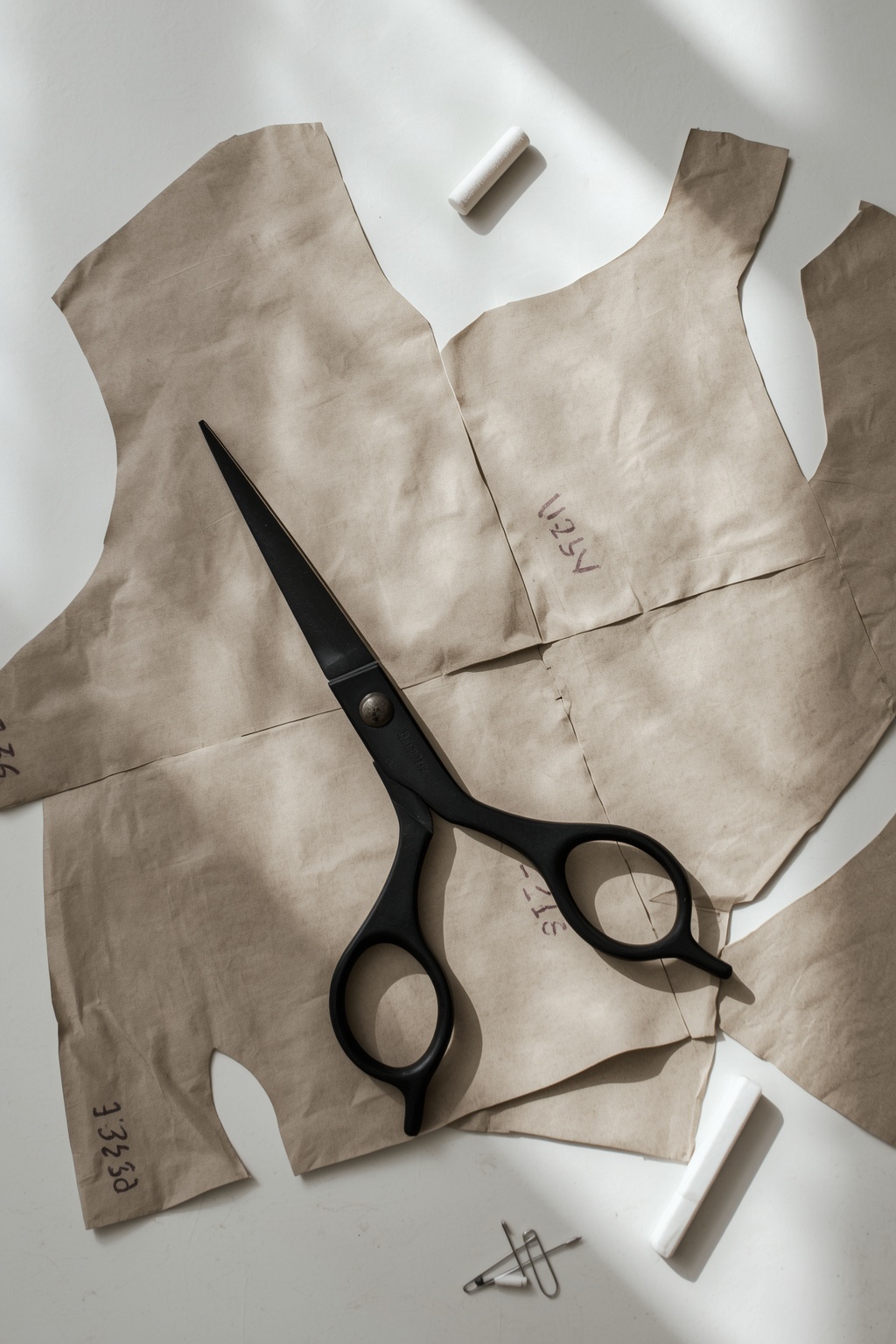
Lungo Po Antonelli 7, Turin. Every garment is pattern-cut, assembled, pressed and finished in the same room, by the same hands. The shop is at Piazza Vittorio Veneto 14.
Marika has made clothes in Turin since 2005, and for the past ten years she has focused on how they're made: fewer animal materials, less waste, suppliers she knows. She holds Piedmont's Eccellenza Artigiana recognition for artisan craft, and a Textile Excellence Certification since 2012. She chooses the fabric, cuts the pattern, sews the piece, wraps the box and writes the card.
People
Maison Guida is owned and run by Marika, who is self-employed. There are no employees and no outside workshops: nobody else sews for us. Every garment you buy was made by the person whose name is on the label, at a pace she sets herself.
Our fabric comes from mills and producers we know personally, most of them family businesses in Biella and Turin that we visit by car. If we ever take on help in the atelier or an outside workshop, this page will say who, where and on what terms.
Materials
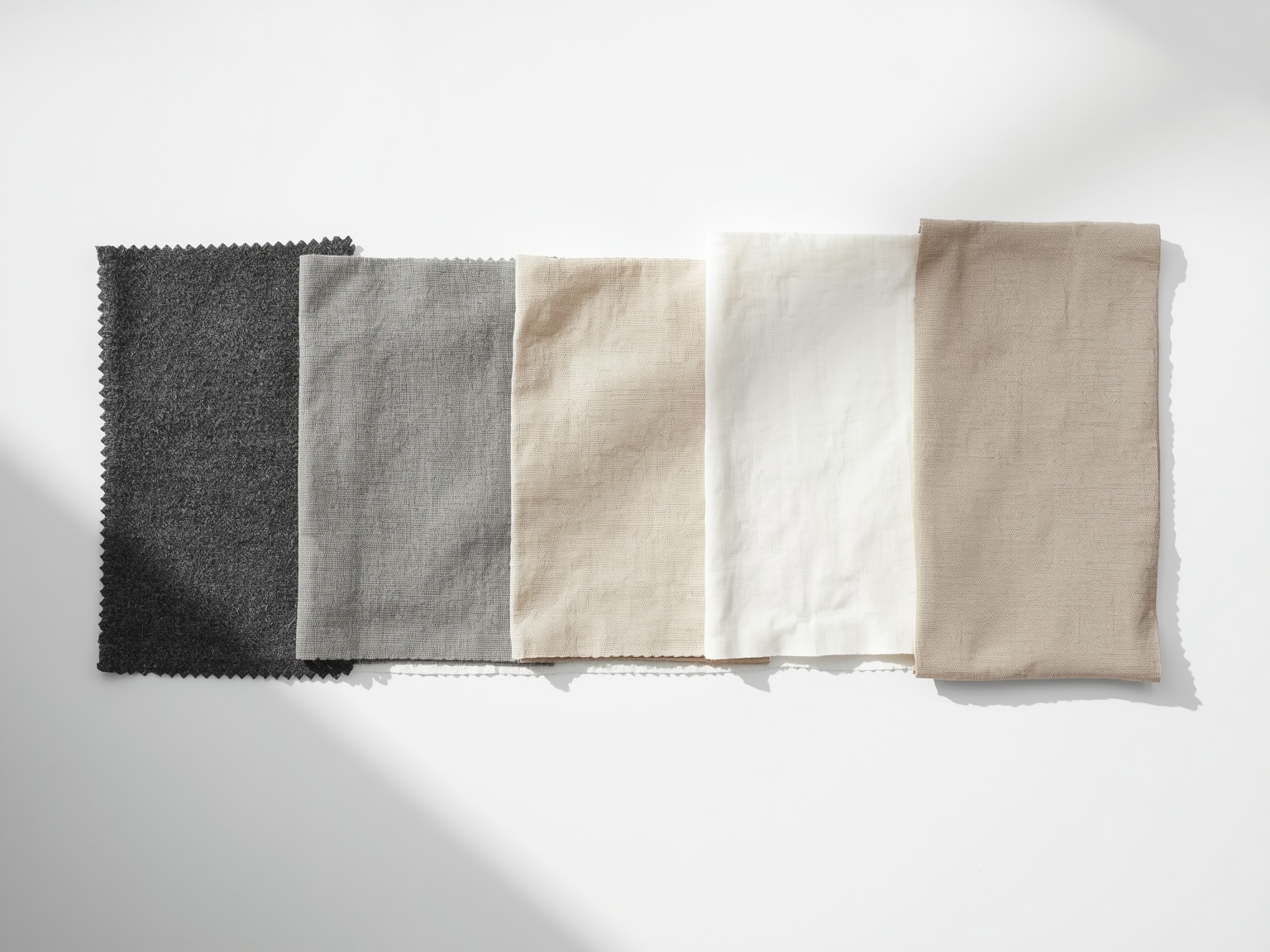
Every fabric is chosen for how it feels, how it wears and where it came from.
| Material | Source | Certification |
|---|---|---|
| Wool (100%) | Bonino and Vitale Barberis Canonico, Biella, Italy | Mulesing-free, OEKO-TEX |
| Organic cotton, jersey and canvas | Cotton Bee, Poland | GOTS, OEKO-TEX |
| Linen | Ballesio, Turin, Italy | OEKO-TEX |
| Bamboo jersey | [supplier] | [certificate] |
| Viscose | [supplier, country] | OEKO-TEX |
| Stretch cotton (3–5% elastane) | [supplier, country] | OEKO-TEX |
| Polyester | [supplier, country] | OEKO-TEX |
| Vegan leather | [supplier, country, material] | OEKO-TEX |
We also buy deadstock from ZeroW and Fabric House: fabric made for another brand and never used. It's better on our cutting table than in a warehouse.
Synthetic fibres are a small part of what we use, and only where a garment needs them for stretch or structure. Synthetics shed microfibres. In the atelier we fold raw edges twice before sewing, use finer needles and longer stitches, and wear a mask while cutting. At home, the biggest difference comes from washing these pieces cold, less often, and in a microfibre-catching wash bag.
Animals
Wool is the only animal fibre we use, and only mulesing-free wool from Biella mills that publish their animal-welfare standards. We don't use silk, leather, fur, down, angora, exotic skins or any material from endangered species. We never have.
Production
Around 150 garments a year, in small runs and made to order. We don't have a warehouse and we don't make things nobody has asked for, so there's no overproduction and no unsold stock to burn or bin.
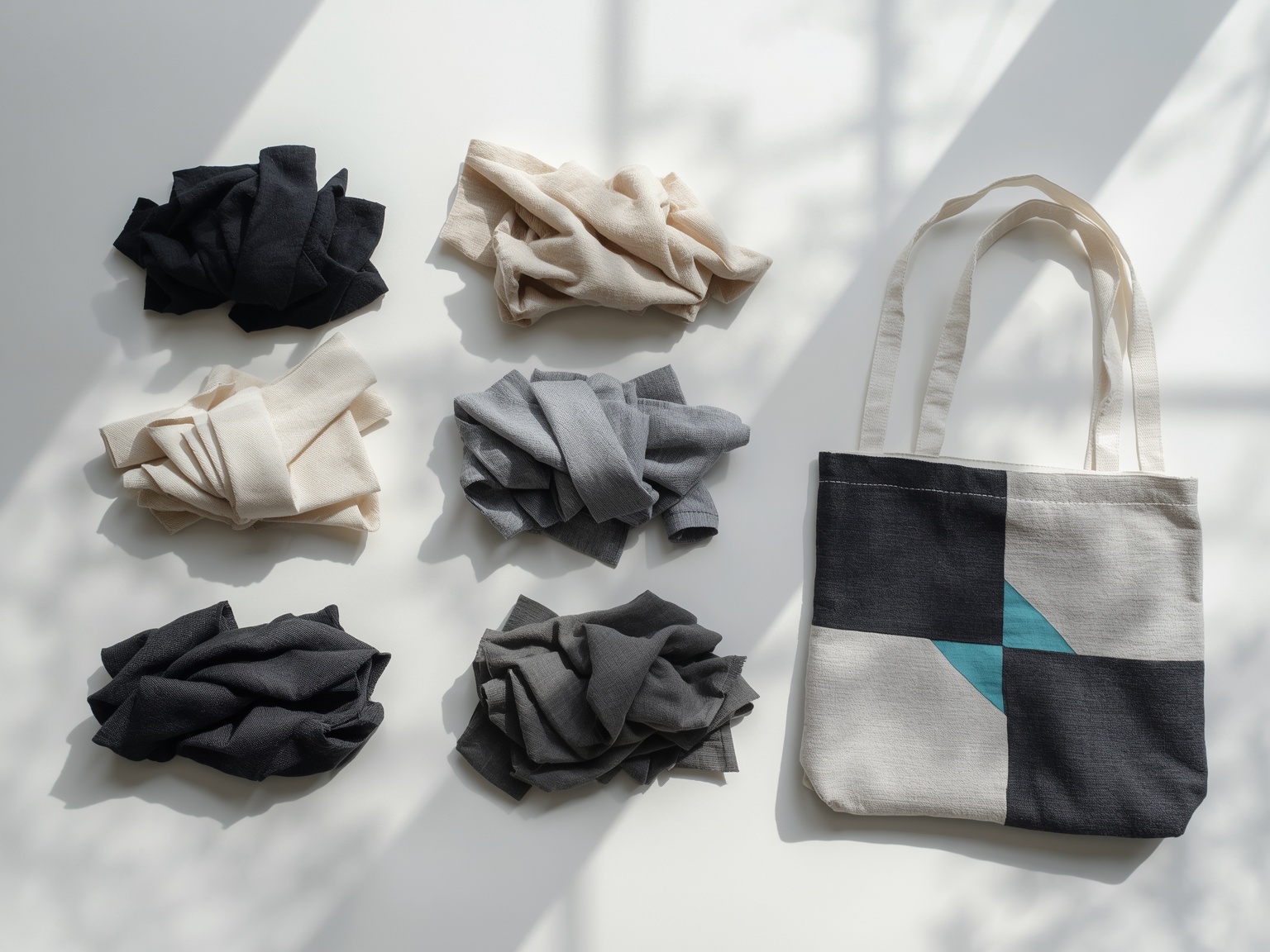
Fabric offcuts become patchwork bags and small crafted objects, and the smallest scraps are used as filling. Very little leaves the atelier as waste.
Dyes, water and energy
We don't dye, print, wash or chemically treat fabric in the atelier. Fabrics arrive finished from our mills, and every one carries OEKO-TEX certification, which tests for harmful substances. Because there's no wet processing, the atelier uses no production water and produces no wastewater.
The atelier runs on grid electricity from Enel. We rent the building, so installing solar isn't our decision to make. We switch off whatever isn't in use.
Packaging
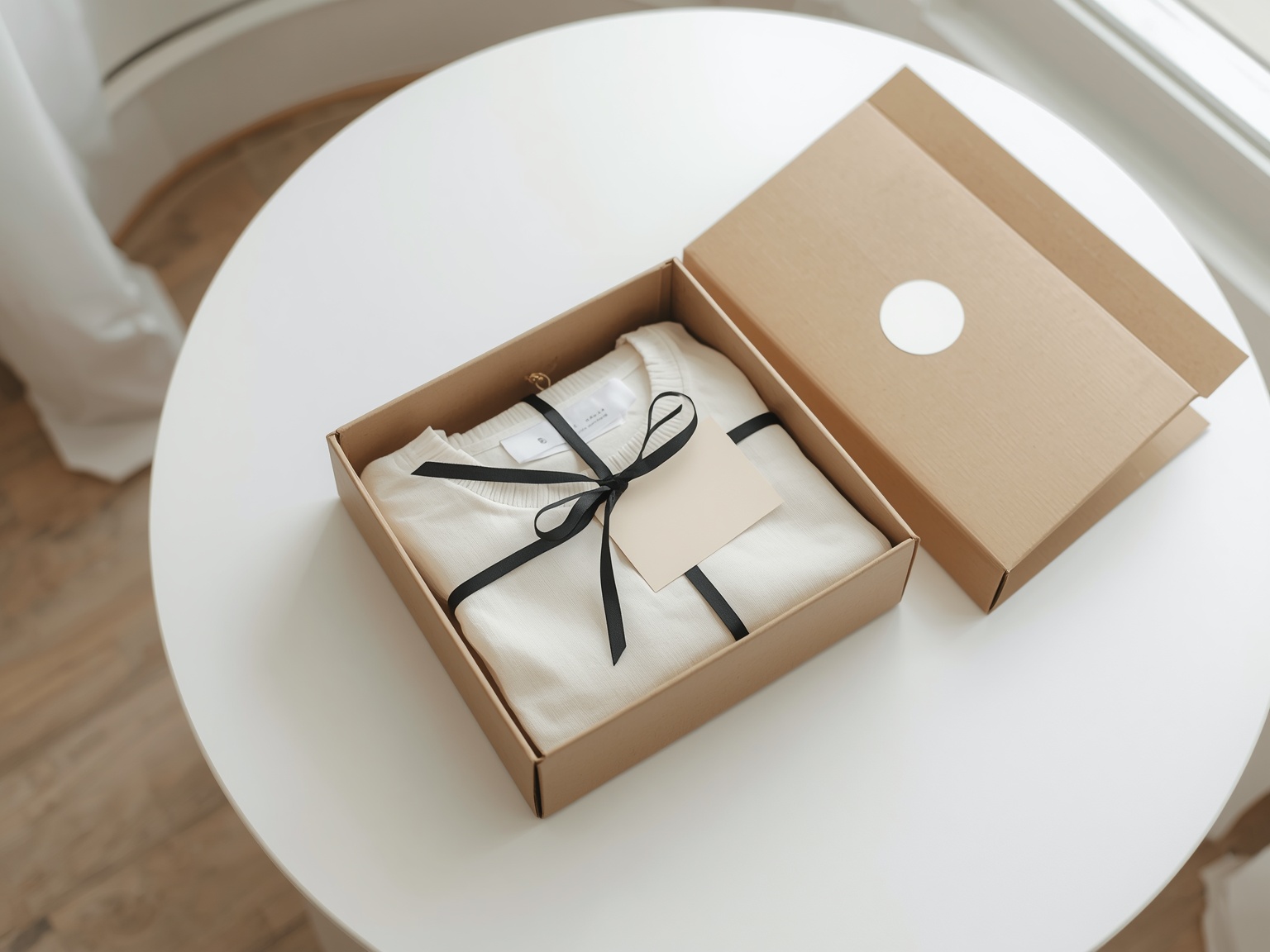
Your order leaves in a brown cardboard box (Raja BEP.225, 30×24×5 cm) closed with a small sticker. Inside, the piece is wrapped in paper and tied with a ribbon. No tape, no plastic. A card to say thank you.
Everything in the box is paper or cardboard and can go in your paper recycling.
Shipping
Most of our fabric reaches us by car from suppliers an hour or two away. Orders go out with DHL GoGreen, which offsets emissions and invests in lower-carbon fuel.
Longevity and repair
We design pieces to outlast the trend and the season. Seams, fastenings and fabrics are chosen with repair in mind.
If something fails because of how we made it, we fix it free. If it wears out from years of use, we repair it. If your body or your style changes, we alter it. There's no time limit. Read about our repair service →
Buy less, choose well, make it last.
What we haven't solved
We use some synthetics. Our electricity is from the grid, not renewable. We haven't joined any sustainability body or earned a business-level certification such as B Corp. We're a one-person atelier and we'd rather spend our time making well than filling in audits, but we know that means you have to take more of this on trust. That's why this page names our suppliers and our address.
What's next
We're bringing the atelier online so people who can't walk through the door in Turin can buy from us, and we're growing the repair service. We'll keep choosing suppliers we can visit and keep this page updated as things change.
Questions about a fabric, a supplier or a choice we made: support@maisonguida.com


